Children rarely return to a book simply because it contains a good moral. They return to meet a character again, laugh at a situation or look closely at an illustration. That pleasure in reading can open a conversation about choices, feelings and growing up. A children’s book can share values without stopping the adventure to tell its readers what to think.
Let the characters live their story
In Anna et les gâteaux au chocolat, a craving for chocolate cake begins to take up a little too much space. The situation feels familiar to children because it starts with something simple. Anna’s adventure offers a way to talk about temptation, consequences and responsibility. The story works on its own, while giving adults a natural opening to ask, “What would you have done?”
That question invites more conversation than a running commentary on every page. Children can explain what they understood, what made them laugh or what surprised them. They may even change their minds during the reading. The book becomes a place to think together, without turning a shared moment into a test.
Read together and keep talking
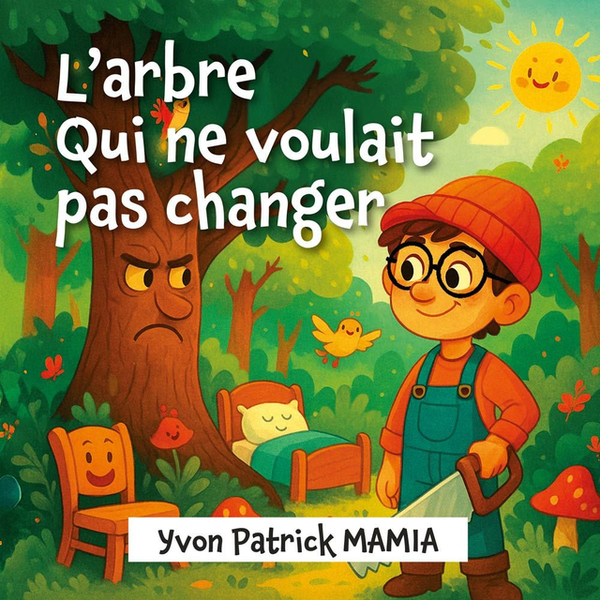
L’arbre qui ne voulait pas changer begins with another recognisable difficulty: accepting change is not always easy. This album received first prize at the International Christian Book Fair. A place in the family bookshelf also means being able to return to a story and find a new echo in it months later.
When choosing a children’s book, look at its subject, but also at the curiosity it awakens. A cover that draws a child in, a story they ask to hear again and a few questions afterwards are often the best starting points. The pleasure of opening the book remains the first invitation.